A recent poll by Gardens Illustrated revealed that ‘How much does a garden design cost?’ is one of the most eagerly asked questions of garden designers. So we set out to answer exactly that, seeking out industry professionals, landscapers and design folk to make sense of pricing and guide you through the cost process from idea to construction.
‘As with architecture or interior design, experience, reputation and expertise all influence fees,’ says Andrew Duff, Chair of the Society of Garden and Landscape Designers (SGLD), whose accredited members represent the very best in garden and landscape design, and an award-winning garden designer in his own right. ‘Some practices specialise in intimate town gardens, while others deliver large private estates or public landscapes involving multidisciplinary teams. The level of detail provided, the amount of client involvement, and whether project management is included will also affect the cost.’
You may also like
Here are the five things you need to know when costing up a garden design project…
#1 Budgets can vary
All of the garden designers we spoke to said that the cost of a garden project differs considerably depending on the size and complexity of the project, as well as the level of service required. Design fees may range from a couple of thousand pounds for a small urban or medium-sized suburban garden to tens of thousands for large-scale country gardens or estates.
According to John Wyer, Managing Director and Founder of Bowles & Wyer, a general rule of thumb for an overall budget is to allocate approximately 10% of the property value to a garden project. Of this ‘clients should expect to invest around 10-15% of the overall project budget on the design process,’ says Andrew Duff. Approximately 90% will then go into the physical creation - the construction and planting of the garden. It’s also important to note that all fees, materials and plants will have VAT added to them at a standard rate of 20%.
‘All design projects require at least a few day’s design work, increasing up to several weeks of work depending on the size and complexity of the project,’ says James Scott, Managing Director and Principal Designer at The Garden Company. ‘Our charges are based on £110 per hour plus VAT so the typical range is from a few thousand to £20,000 plus.’
The great news is that there’s a garden designer out there that will fit every level of affordability. At ED Gardens, which predominantly works on small urban and suburban gardens, design packages currently start from £1800 plus VAT. ‘For a full garden build,’ says Katrina Kieffer-Wells, Head of Garden Design, ‘I would currently suggest clients consider £25,000 as a realistic starting point, with our average projects tending to fall somewhere around £40,000-£50,000. At Bowles & Wyer, a premium design and build business whose majority of projects tend to be larger country gardens, design fees start at £10,000 with the bottom level for end-to-end services approximately £250,000.
You may also like
- The 9 golden garden design rules experts use to create beautiful gardens that feel good
- The only 4 gardening rules you need for success
#2 Know what your money buys
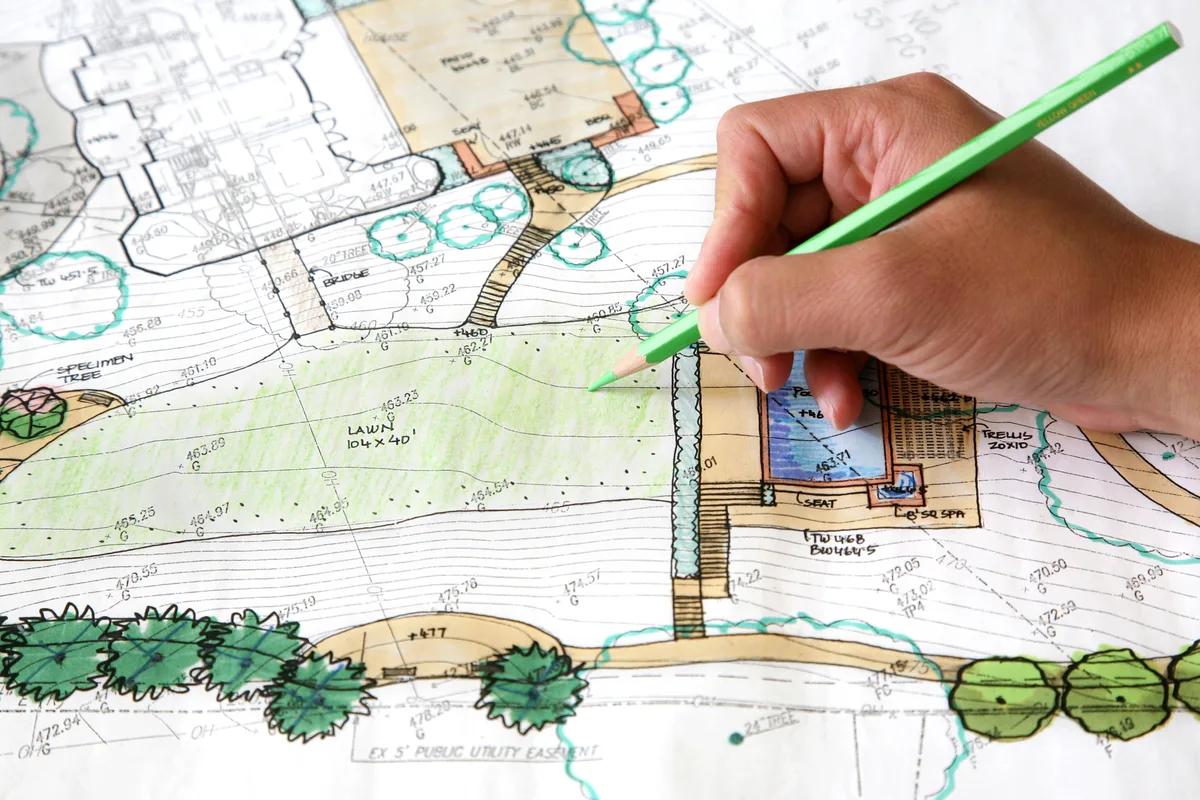
Most designers charge according to the scope of the project rather than simply the size of the garden. Andrew Duff believes choosing a designer solely on price is rarely the best approach and understanding what is included within the fee is the imperative. ‘The process usually begins with an initial consultation and site survey, followed by concept designs, a developed masterplan, detailed technical drawings, planting plans and construction specifications. Many designers also oversee the implementation of the project, liaising with contractors and suppliers to ensure the design is delivered as intended,’ he says. For each stage of this process, you should get a detailed quote that itemises each element.
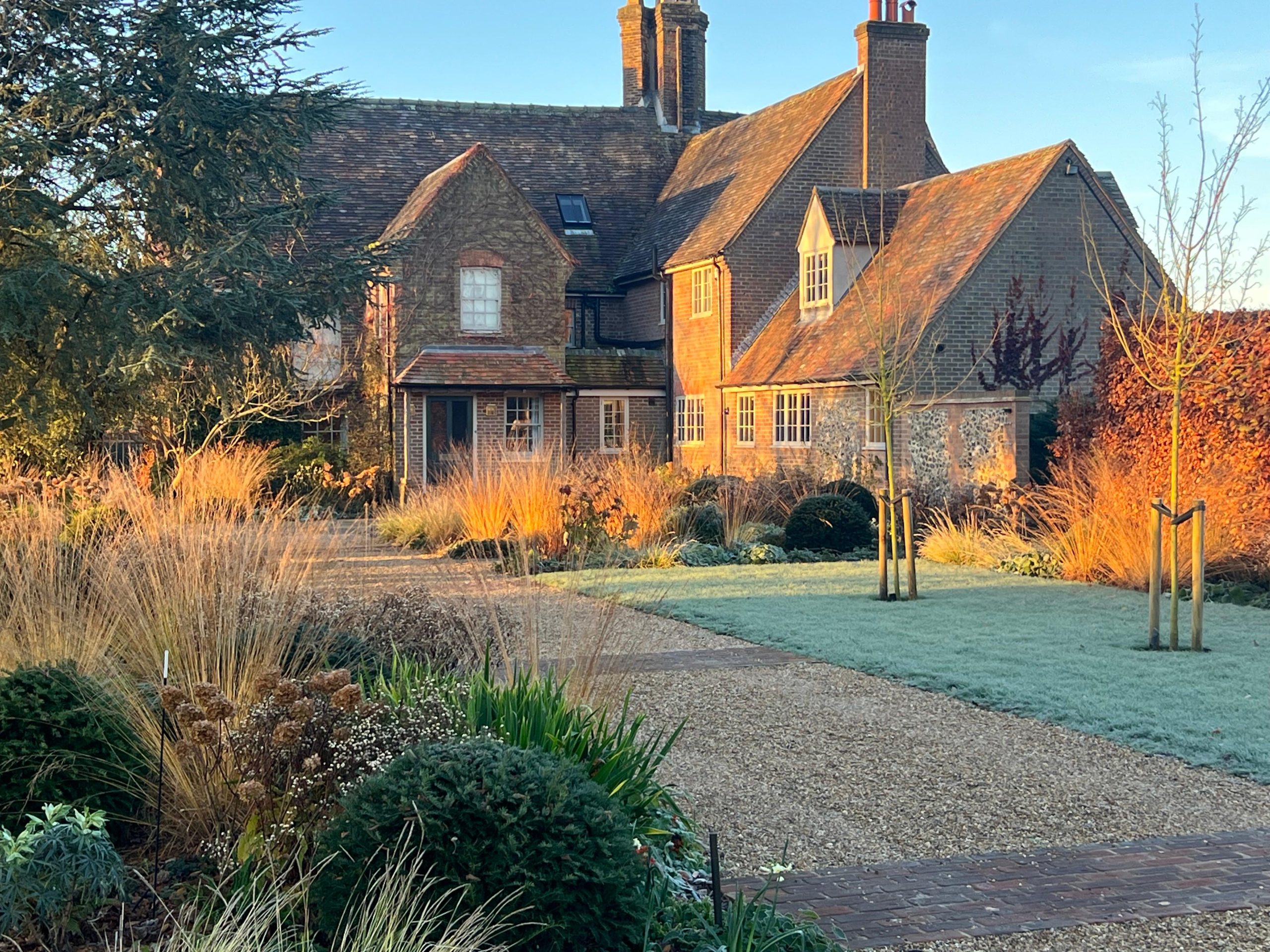
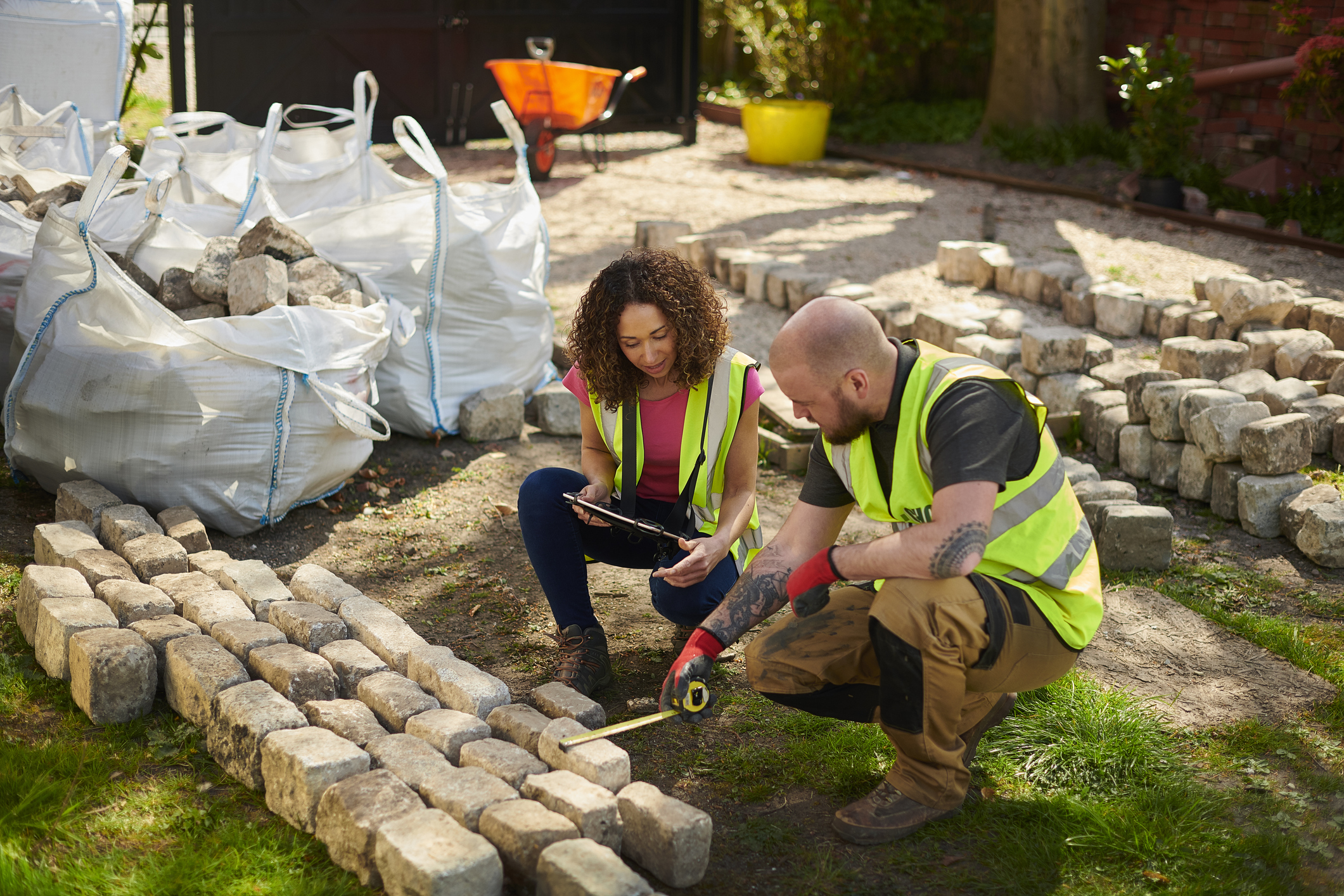
Depending on the designer you choose, the construction phase may be costed separately by a third-party landscape contractor or the garden design firm may have its own in-house landscaping team. Andy Stedman, the director and founder of the landscape design and build business of the same name, says: ‘Landscaping budgets vary significantly depending on the size of the garden, the materials specified, and the level of specification. As a general guide, industry-standard figures run from approximately £120 to £1,000 plus per square metre. The range reflects the difference between entry-level and premium finishes.’
It’s also worth recognising the costs of ongoing maintenance once the garden is completed. Many design firms offer a tailored seasonal management plan or visits from the designer to ensure the garden develops successfully. Alternatively, you may want to commission your own local gardener, where rates usually start at £25-£30 per hour.
You may also like
- 6 secret tricks of garden designers to make your garden look and feel better
- These 7 small details will make your garden look more high-end, according to designers
#3 Consider brief vs budget
It’s fair to say that some garden designers won’t begin a conversation without knowing your budget, but, on interviewing various designers, we discovered that’s by no means the approach of them all.
‘If you ask for a budget at the very start, you risk flattening ideas (and dreams) before they’ve even had a chance to develop,’ says James Scott. ‘A client might say they have £50,000 in mind, when the garden they’re imagining realistically needs £100,000 - and if you design only to the lower figure, you end up limiting the vision before it’s even explored.’
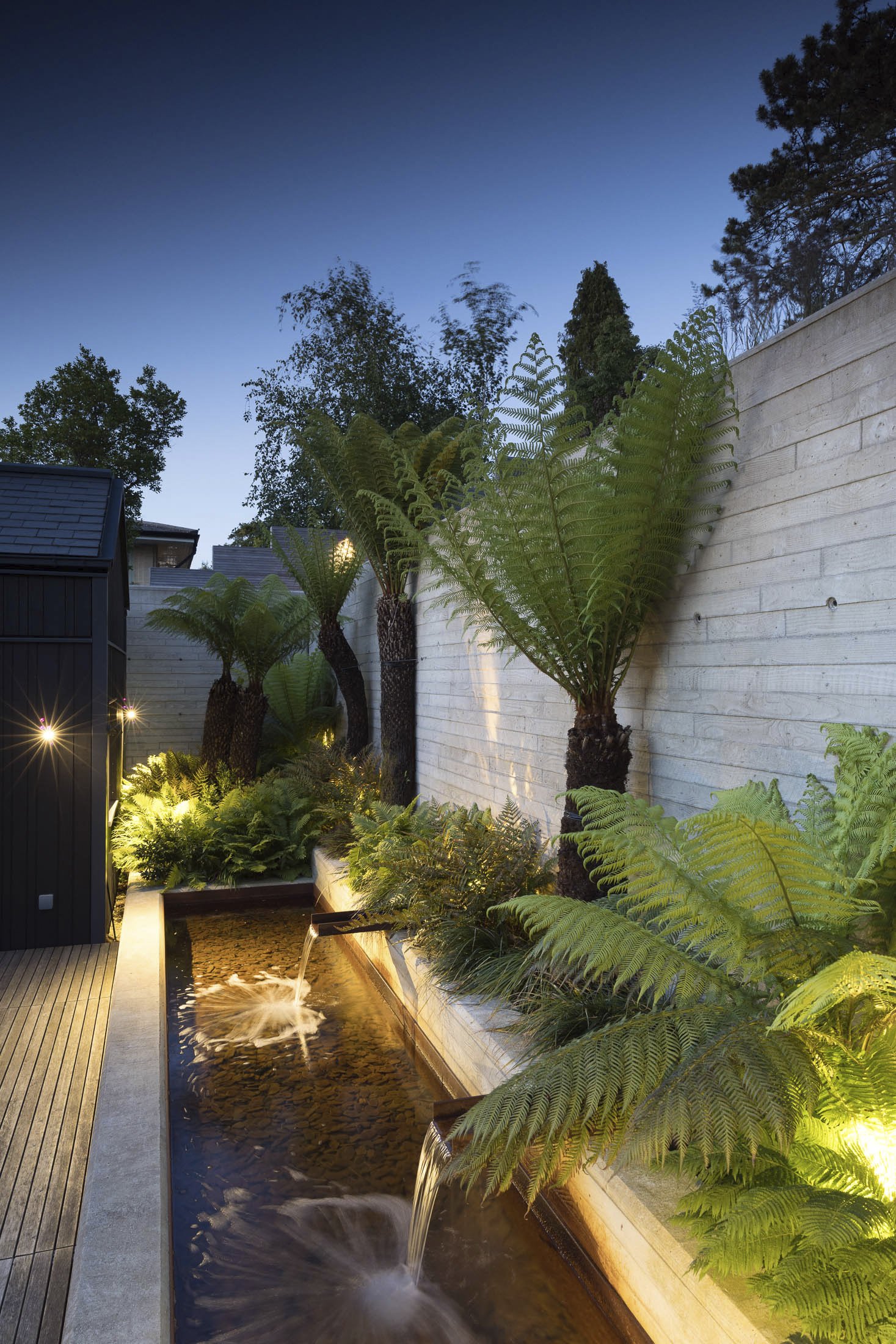
For James Scott, and the likes of John Wyer, the priority is to establish the brief first: what the client wants from their garden, how they want to use it, and what will make the space meaningful for them. ‘Once that’s clear, you can design the garden that’s right for the site and the client, but do so in a value-driven, knowledgeable way,’ adds James Scott. That might mean reusing elements within the existing garden or researching pocket-friendly materials without compromising on the concept. It’s also worth considering phasing the project and completing it in stages as the monies become available.
#4 Be aware of build costs
As with building or renovating a house, constructing a garden can be a surprisingly expensive experience. No longer a place just for trees, borders, lawns and walkways, outside spaces have evolved into rooms in their own right with zones to sit, cook, eat, swim and, even, sauna. These additions require multiple skilled technical and installation knowledge that, in many circumstances, can add serious ker-ching to your final bill.
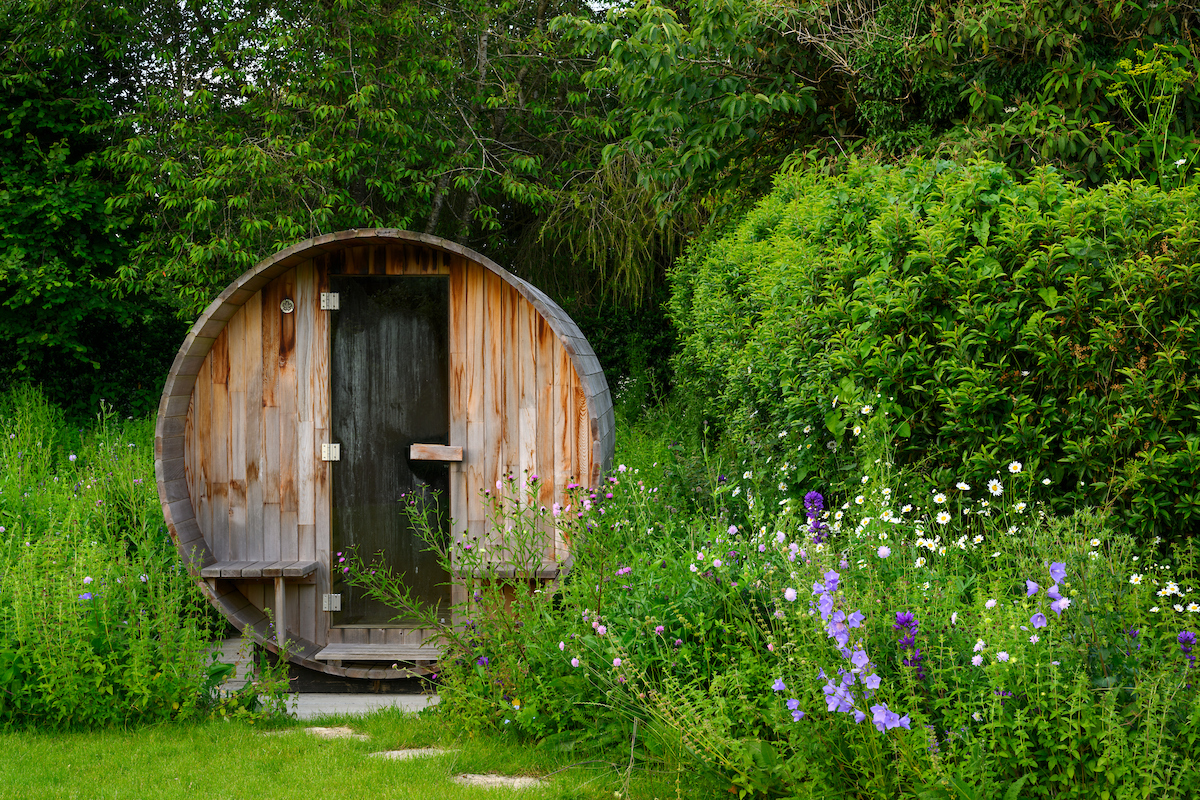
‘The build is where the costs really accumulate: labour, excavation, waste removal, foundations, drainage, fencing, paving, timber, structures, electrics, lighting, soil, planting and all the other materials required to physically create the garden,’ says Katrina Kieffer-Wells. All this takes time and expertise to achieve and material prices remain volatile due to global circumstances, workforce costs increasing as skilled landscapers are highly sought after, and plant price rises due to production costs, transport and sometimes supply shortages. Andrew Duff advises having a contingency pot of around 10-15% for unknown issues that may arise during the construction phase.
You may also like
- 10 garden design mistakes and how to avoid them
- You can have a sustainable garden that's also beautiful - here's how to design stylish ecological gardens
#5 A garden design can save far more than it costs
So why is it worth paying a professional designer? Last words go to James Scott: ‘A good designer knows where to invest and where to save, how to use existing topography to reduce costs, and how to balance hard and soft landscaping so the garden works beautifully without overspending,’ he says. ‘It ensures expensive elements are used where they matter, prevents unnecessary rework, and creates a garden that grows in value and beauty over time. In short, thoughtful design pays for itself many times over!’